Many people dream of swimming in a private pool. A pool is a place for joy, relaxation, and family time. But for most people, owning a pool is impossible. Pools are very expensive to build. They cost even more to maintain. Chemicals, cleaning, repairs, and water bills all add up quickly. Many homeowners with pools find themselves overwhelmed by these costs, especially when they rarely use their pool.
On the other side, families and friends who want to swim often end up in crowded public pools, sharing space with strangers, or paying a lot for day passes at hotels.
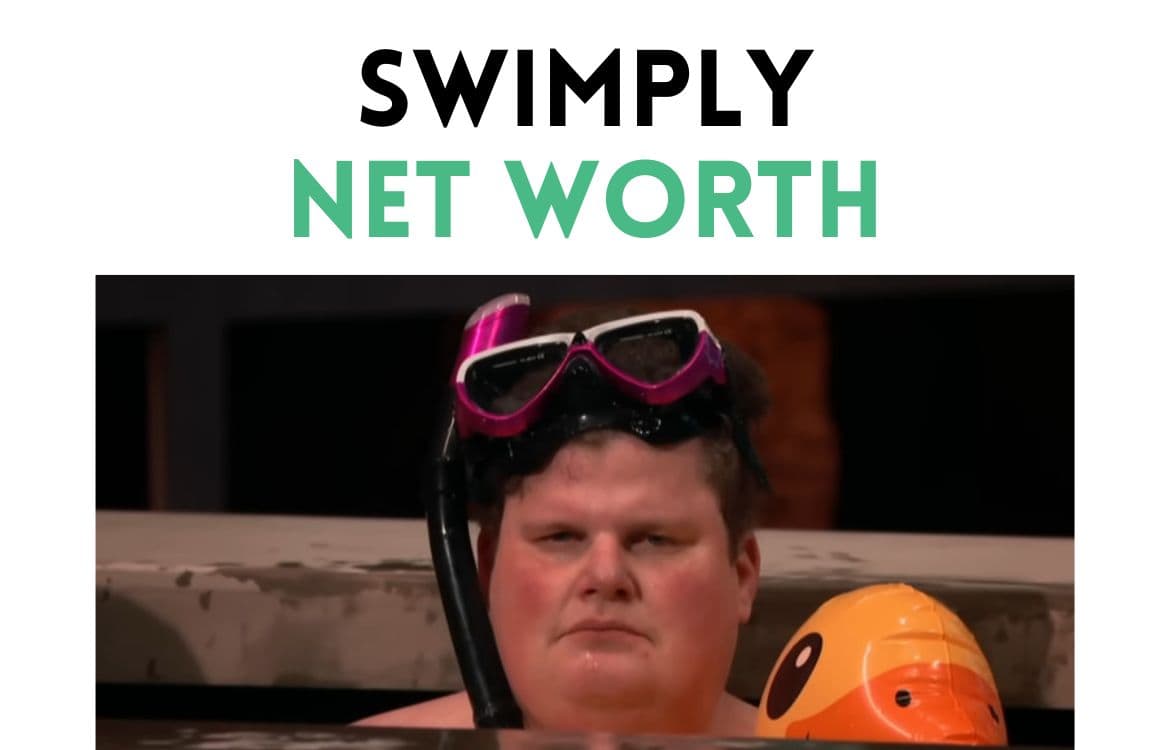
There is no middle ground. That was the big problem Bunim Laskin saw. He knew there had to be a better way. People who own pools but don’t use them could share them with those who want a private place to swim. He thought there could be a way for both sides to win. That is why Bunim created Swimply. It is an app that lets pool owners rent out their pools by the hour.
People can enjoy swimming in a private, clean pool without having to own one. Owners get paid, which helps them cover their expensive pool costs. It sounded like a win-win for everyone.
Bunim took his idea to Shark Tank in Season 11, hoping to find a shark who would invest in his company. He asked for $300,000 in exchange for 5% of his business. In the episode, he explained how Swimply worked, how it was growing, and why he believed this business would change the way people swim forever. But getting a deal from the sharks was not easy.
Swimply Net Worth Shark Tank Update
Bunim was looking for an investment of $300k in exchange for 5% equity in the company. At the time of the episode, he valued his company at $6 million. Bunim did not secure a deal with any of the sharks, so the company’s net worth remained around $6 million at the time of the show. After the show was aired, the company experienced a huge boost in exposure and later expanded its marketplace while raising outside funding and growing its host network. As per my rough estimate, the current net worth of Swimply is around $30 million.
Shark(s) name
Offer & Demand
Counteroffer
Accepted?
Lori Greiner
Out
N/A
N/A
Kevin O’Leary
Out
N/A
N/A
Barbara Corcoran
Out
N/A
N/A
Mark Cuban
Out
N/A
N/A
Robert Herjavec
Out
N/A
N/A
Bunim Laskin Backstory + Their Initial Pitch
Bunim Laskin grew up in New Jersey, where summers could be hot and sticky. His neighbors had a beautiful pool, but they hardly used it. One day, Bunim went to his neighbor and asked if he could use the pool sometimes. In exchange, he offered to help pay for the pool’s upkeep. His neighbor agreed. Soon, the other families in the area also started using the pool. It became a community space, but it was still private. That experience gave Bunim the idea for Swimply.
He thought, what if anyone could find and rent a private pool nearby? He imagined an app that worked like Airbnb, but instead of booking a room or house, people would book pools by the hour. The idea was simple but powerful. Pool owners could earn money from a pool that otherwise sat unused. Swimmers could enjoy the privacy, safety, and comfort of a private pool without the huge cost of building one.
Bunim started developing the idea and created the Swimply website and app. He launched the service with just four pools listed on the platform. But people loved the idea.
Before long, Swimply expanded beyond Bunim’s neighborhood. Pools started to pop up in other areas, and soon Swimply was operating in more cities. By the time he appeared on Shark Tank, Bunim’s business had already earned nearly $1 million in revenue. In his pitch, Bunim explained to the sharks that Swimply makes money by taking a percentage of every booking.
Pool owners pay a 15% fee, and swimmers pay a 10% fee. These fees add up, giving Swimply a steady income stream. He told the sharks he needed their investment to grow faster and reach more people. He asked for $300,000 in exchange for 5% equity in his company. Bunim’s pitch was fast, confident, and full of passion. He believed he had found a new way to connect people with underused resources, and he wanted the sharks to help him take his idea worldwide.
Queries + Shark’s Responses, and Final Deal
The first shark to speak was Robert Herjavec. He listened carefully but said he did not see how the business could ever become profitable enough to make it worth the risk. He told Bunim that while the idea sounded clever, he did not think it was practical or sustainable in the long run. For that reason, Robert decided he was out.
Lori Greiner went next. She told Bunim she thought Swimply was a great idea. She liked the concept and could see why people might want to use it. However, Lori did not feel confident about investing in a business that depended so heavily on many people trusting strangers with their private pools. She was worried about safety, liability, and whether homeowners would stick with the service. Because of these doubts, Lori also went out.
Barbara Corcoran spoke up after Lori. She told Bunim she found him a little too fast-talking, which made it hard for her to follow everything he said. She worried that he might be overpromising what Swimply could do.
Barbara also shared concerns about the app’s future, especially if problems happened between swimmers and pool owners. She decided she did not want to invest and went out too.
Mark Cuban had mixed feelings. He thought the idea of renting pools was interesting and unique. But he doubted whether enough people would actually want to rent pools regularly. He also did not like Bunim’s financial projections. Bunim claimed Swimply could reach a $289 million valuation by 2022, which sounded unrealistic to Mark. Because of these reasons, Mark eventually dropped out.
Finally, Kevin O’Leary asked Bunim detailed questions about the company’s numbers, expenses, and future growth plans. Kevin listened closely, but like Mark, he could not believe the high valuation Bunim placed on his company. Kevin said the idea needed more time to prove itself before he could risk his money on it. So he, too, decided he was out.
At the end of the pitch, all five sharks had passed on the deal. Bunim left the tank without an investment.
What Went Wrong With Swimply On Shark Tank?
The main problem was the company’s valuation. Bunim asked the sharks to value Swimply at $6 million, which is what asking $300,000 for 5% equity implies. Even worse, he predicted his company could reach nearly $289 million in a few years. The sharks thought this was way too optimistic.
None of them could see the path to such massive growth, especially because Swimply was still very new and did not yet have a large, stable user base. Another issue was the trust factor. Renting out a private pool to strangers raises a lot of concerns.
Homeowners might worry about liability if someone got hurt. Guests might worry about cleanliness or safety. While Bunim said he had insurance solutions and strict rules in place, the sharks were not convinced this was enough. They thought these risks could scare away both pool owners and swimmers, making it hard to keep the business growing.
There was also the question of whether enough people would actually want to rent a private pool. Most sharks thought the market for such a service was limited. They did not believe there would be enough steady demand to make Swimply a big business.
Finally, some sharks did not like Bunim’s style. Barbara Corcoran, for example, said he spoke too quickly, which made it hard for her to follow his answers. She worried that fast-talking entrepreneurs might miss important details or hide problems. These combined concerns made every shark back out of the deal.
Product Availability
Swimply is an app and website that connects people who own private pools with those who want to rent them by the hour. Pool owners can sign up on Swimply, list their pool, set their availability, and choose hourly rates. Swimply suggests prices between $45 and $90 per hour, but owners can adjust rates based on location, pool size, or special amenities.
Swimmers can go on Swimply’s website or app, search for nearby pools, view pictures and details, check available times, and make bookings directly through the platform.
Swimply handles all the payments, making the process simple for both parties. The service is completely online. There is no physical store or offline booking option. Pool owners and swimmers do everything on the Swimply website or app. The service is available in over 125 active markets across the United States. Swimply also expanded to Canada and Australia, offering thousands of pools worldwide.
Swimply takes care of customer support, insurance partnerships, and dispute resolution. Owners receive payouts directly to their bank accounts, and swimmers get confirmation emails with booking details. Swimply makes pool rentals easy, fast, and accessible.
Even though Bunim Laskin left Shark Tank without a deal, he did not give up on his dream. After the episode aired, Swimply got a lot of attention. Many people loved the idea of booking a private pool, especially families who wanted to avoid crowded public pools. The COVID-19 pandemic turned out to be a surprising blessing for Swimply. As public pools and water parks closed or limited capacity, more people searched for private places to swim.
Swimply offered the perfect solution: a safe, socially distanced way to swim. This led to huge growth in Swimply’s sales. Reports show the company grew nearly 4,000% during the pandemic.
Swimply expanded into new cities and even new countries, launching services in Canada and Australia. By 2021, Bunim shared in interviews that Swimply was making seven figures a month, with 15,000 to 20,000 bookings monthly. Swimply was featured in major news outlets, including TechCrunch, which praised the company’s success.
According to the most recent updates, Swimply has reached $70 million in lifetime sales. The company continues to operate today in 2024, connecting thousands of pool owners with happy swimmers worldwide.
Conclusion
Swimply’s journey on Shark Tank started with an innovative idea: let people rent private pools by the hour. Bunim Laskin asked the sharks for $300,000 for 5% of his company. But concerns about the company’s high valuation, potential safety issues, and market size caused all five sharks to drop out. Swimply did not get a deal. However, the company proved it did not need one to succeed.
The pandemic pushed Swimply’s popularity to new heights. Today, Swimply has expanded beyond the US to Canada and Australia. It has generated $70 million in lifetime sales and continues to grow. The story of Swimply shows that even if you leave Shark Tank without a deal, you can still build a thriving business with a unique idea and strong determination.
Hey, I’m Amna Habib, an undergraduate student pursuing a Bachelor’s in Business Administration. Shark Tank has always been one of my favorite TV shows because it offers a unique glimpse into the world of entrepreneurship. The way entrepreneurs present innovative solutions to everyday problems aligns with my academic interests and fuels my curiosity about business strategies. Each pitch showcases creativity and strategic decision-making, which I find both insightful and inspiring. Watching the show has deepened my passion for business and motivated me to explore the world of entrepreneurship even further. Beyond business and writing, I love food, shopping, and spending time with my friends and family.